



For many women across rural Central Texas, getting a mammogram is not as simple as scheduling an appointment. A screening may require taking time off work, finding transportation or child care, and driving long distances to reach the nearest imaging center. In some communities, appointments are booked months in advance. Those obstacles can postpone screenings, increasing the risk that breast cancer goes undetected until it reaches a later stage, when treatment may be more complex.
Meeting women where they are
Thanks to generous donors, a new mobile mammography unit is scheduled to begin serving communities across Central Texas in late 2027, bringing breast cancer screenings directly to women in rural and underserved areas. By traveling to the places where women live, work and worship, the program expands access to early detection for patients who might otherwise face barriers to care.
Breast cancer remains the most common cancer affecting women in the United States, yet many rural communities face long travel distances and few local screening options.
The mobile unit helps close that rural healthcare gap. Working with local churches, community organizations and healthcare partners, the program delivers mammograms in 12 Central Texas counties with some of the region’s greatest screening needs. Over three years, the initiative aims to educate 20,000 women about the importance of screening, provide personalized support to 4,000 women who are overdue for mammograms, and complete 4,000 screenings through clinics and the mobile unit.
Every screening represents an opportunity for earlier diagnosis, earlier treatment and greater peace of mind.
Expanding preventive care for rural communities
Plans for the program include expanding access to additional preventive health services such as colorectal, prostate and lung cancer screenings, blood pressure checks, and Pap smears. As the program grows, it has the potential to become a vital healthcare resource for rural communities with limited access to care.
With continued donor support, more women and families can access lifesaving screenings in their own communities, helping create healthier futures for families across Central Texas.
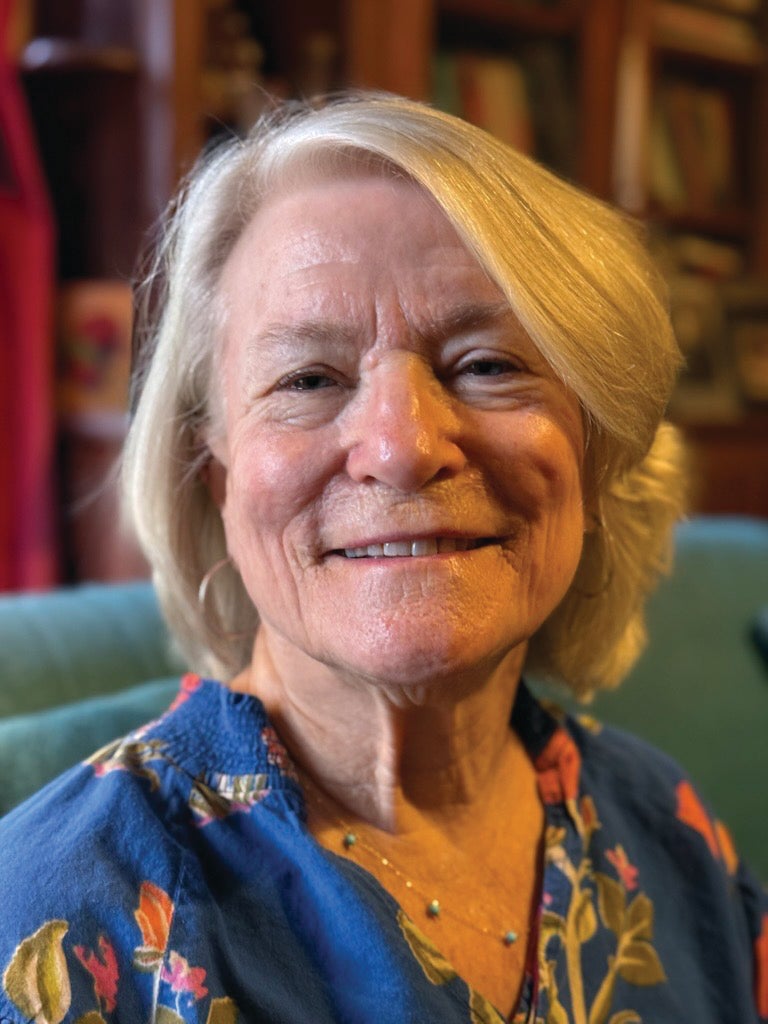
Meet Susan
With a history of abnormal mammograms that turned out to be benign, Susan followed her doctor’s recommendation and continued getting mammograms every six months. During one of those routine screenings, doctors discovered a Stage 1 breast cancer tumor.
“It was so small that I never would have known it was there,” Susan said. “I was scared, but I knew it was curable because it was found early.”
Shortly after her diagnosis, Susan underwent surgery and radiation treatment at Baylor Scott & White. She is now cancer-free and is grateful she can have more time with her husband, children and grandchildren.
“I think the mobile mammography unit will save lives,” says Susan. “The easier we make it for people to get screened, the more cancers we can find early when they are most treatable.”